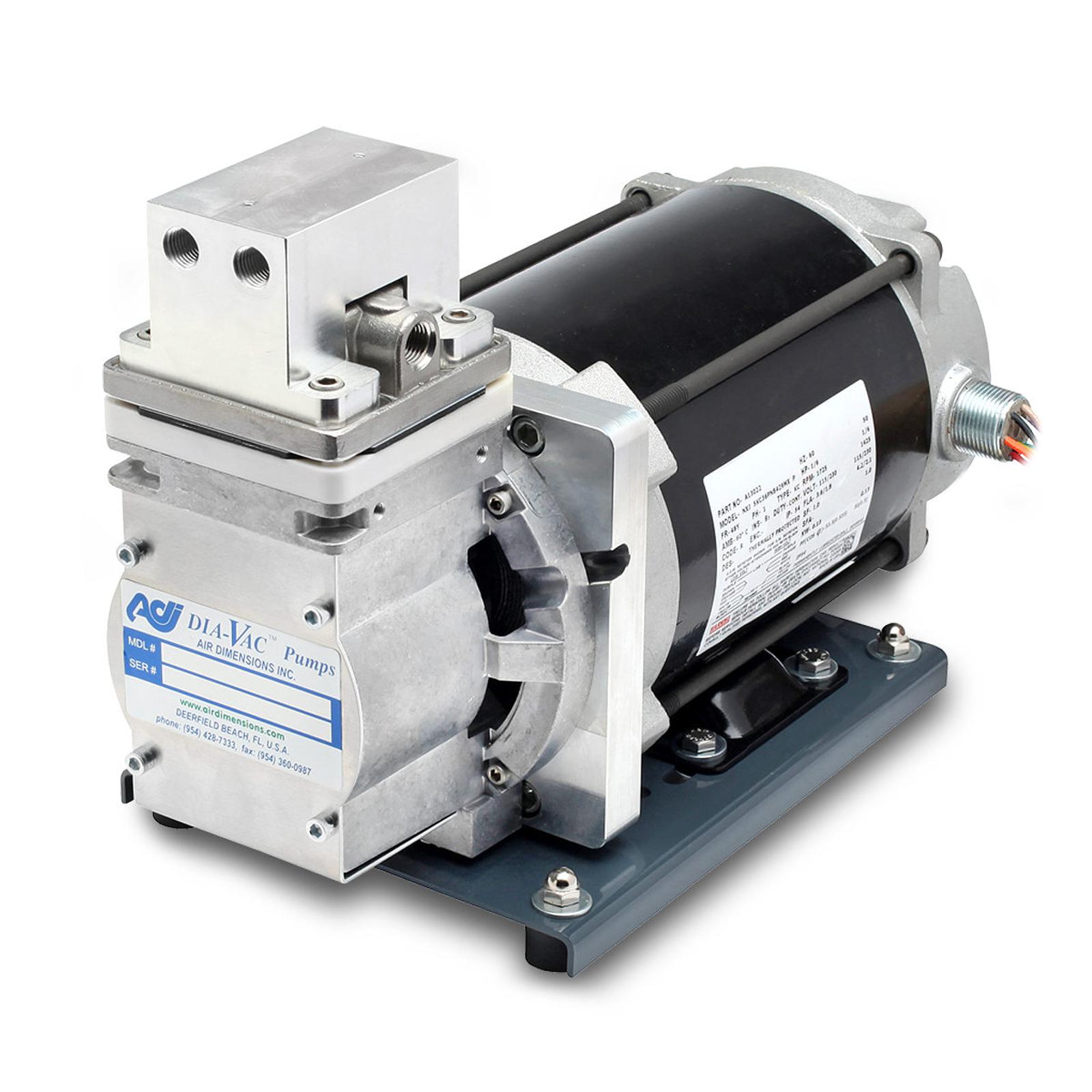
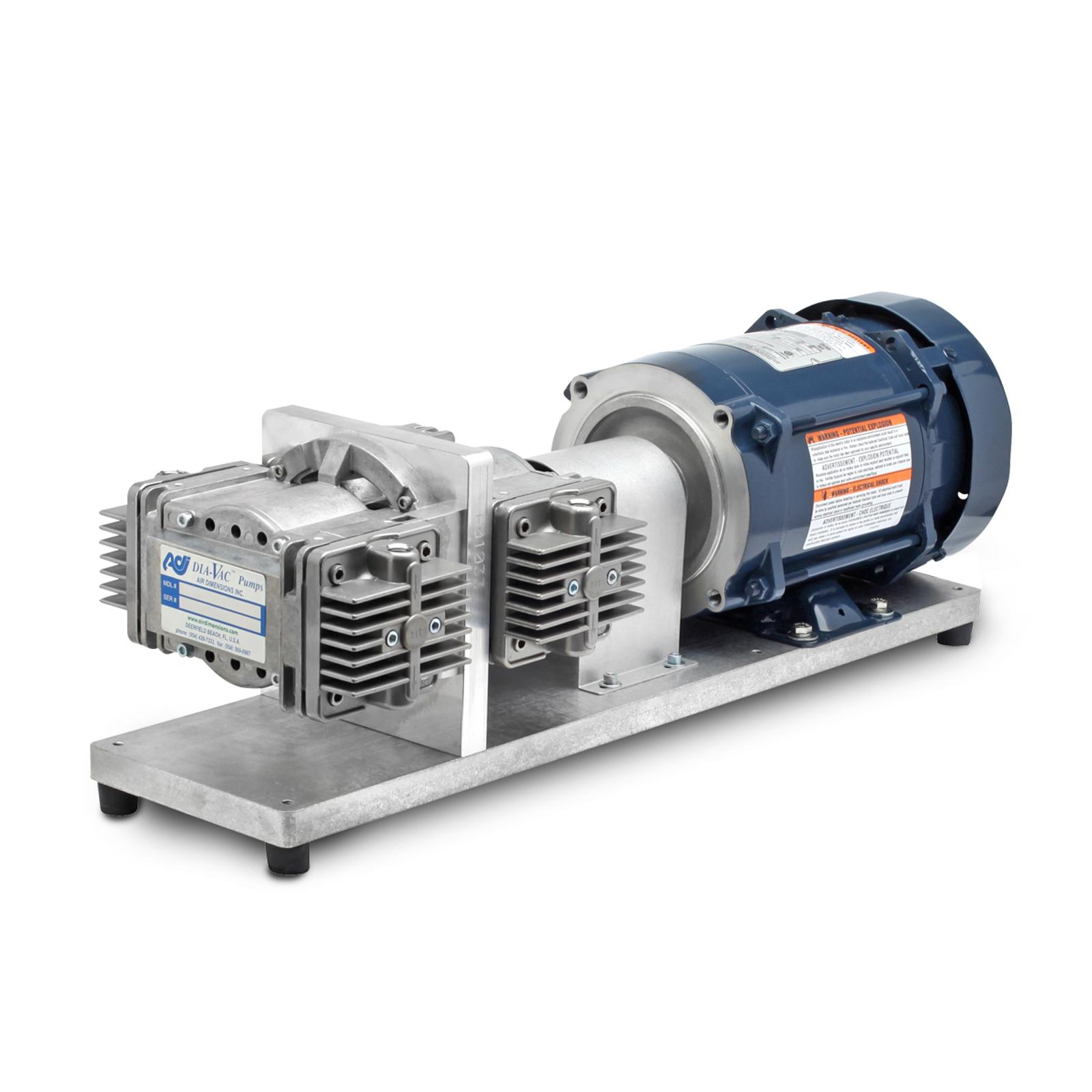
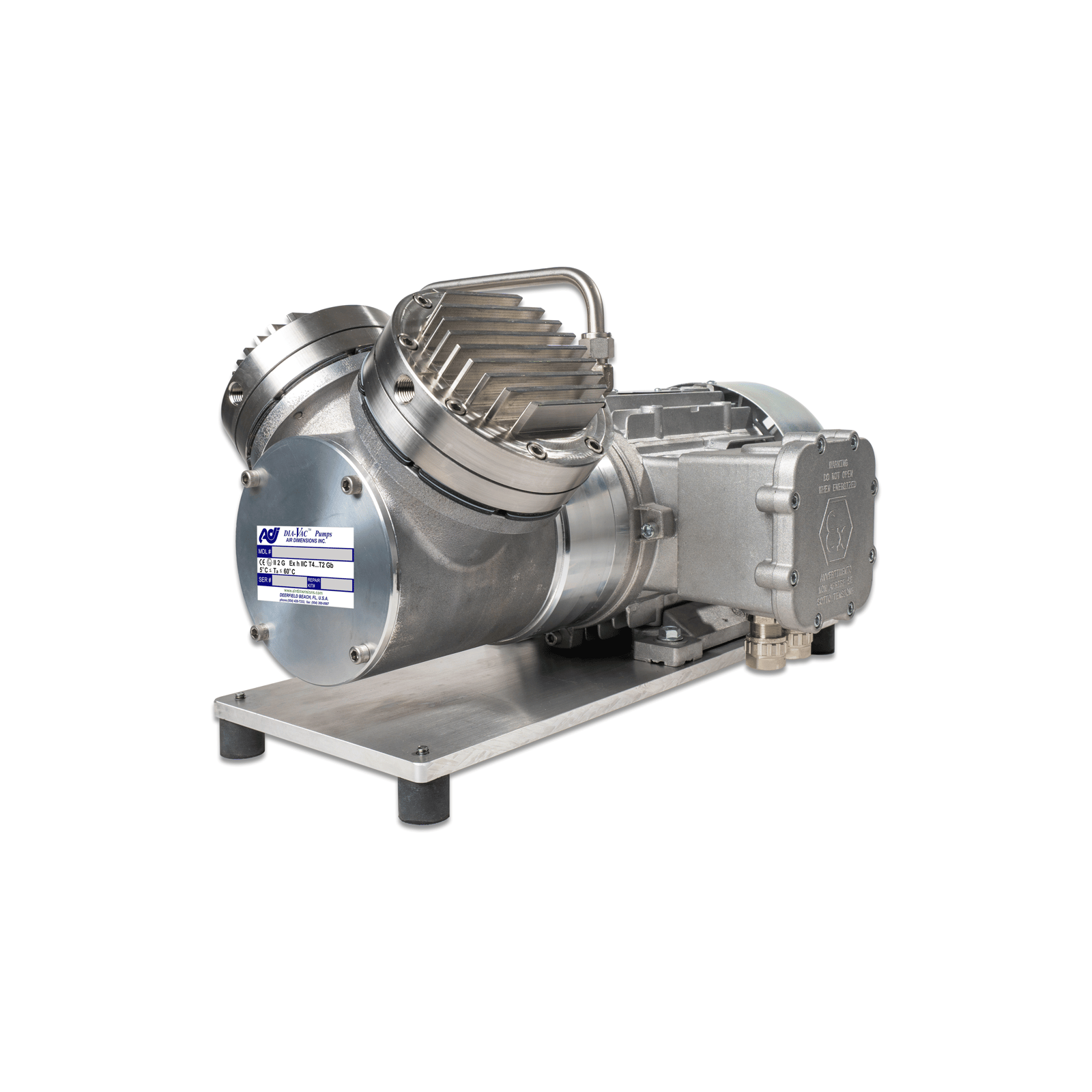
1. Confirm the hazardous-area classification
Identify the required NEC Class, Division and Group or ATEX/IECEx Zone, together with the gas group, temperature class, IP rating and ambient-temperature range.
2. Define the gas and process conditions
Provide the gas composition, sample temperature, source pressure, moisture or liquid-carryover risk, corrosiveness and whether the gas is toxic, flammable or high value.
3. Define analyzer requirements
Provide the required flow, analyzer inlet pressure, allowable pulsation and response-time target.
4. Define the sample path
Provide tubing length and internal diameter, filters and conditioning components, and whether the sample is vented or returned to the process.
5. Select materials and safety options
Choose wetted materials based on gas compatibility. For selected toxic, flammable or high-value gas applications, consult Air Dimensions about double-diaphragm configurations and leak-detection options.
6. Verify certification and documentation
Confirm that the selected pump, motor and complete configuration carry the documentation required for the installation.